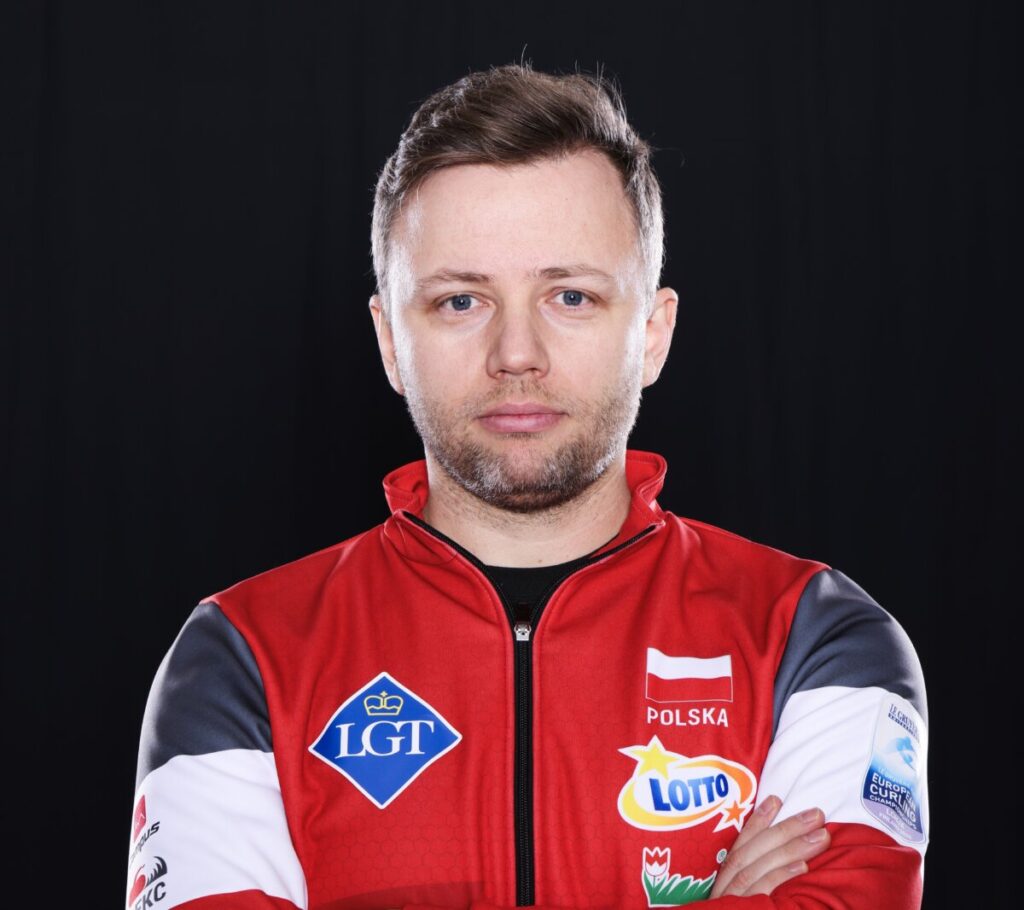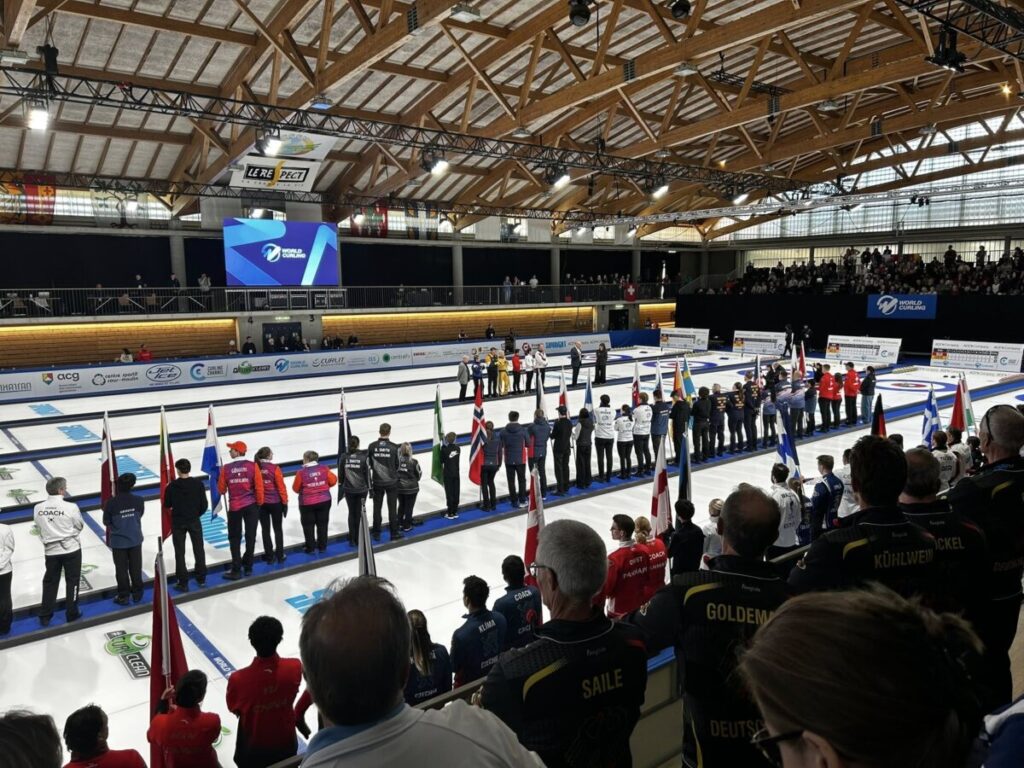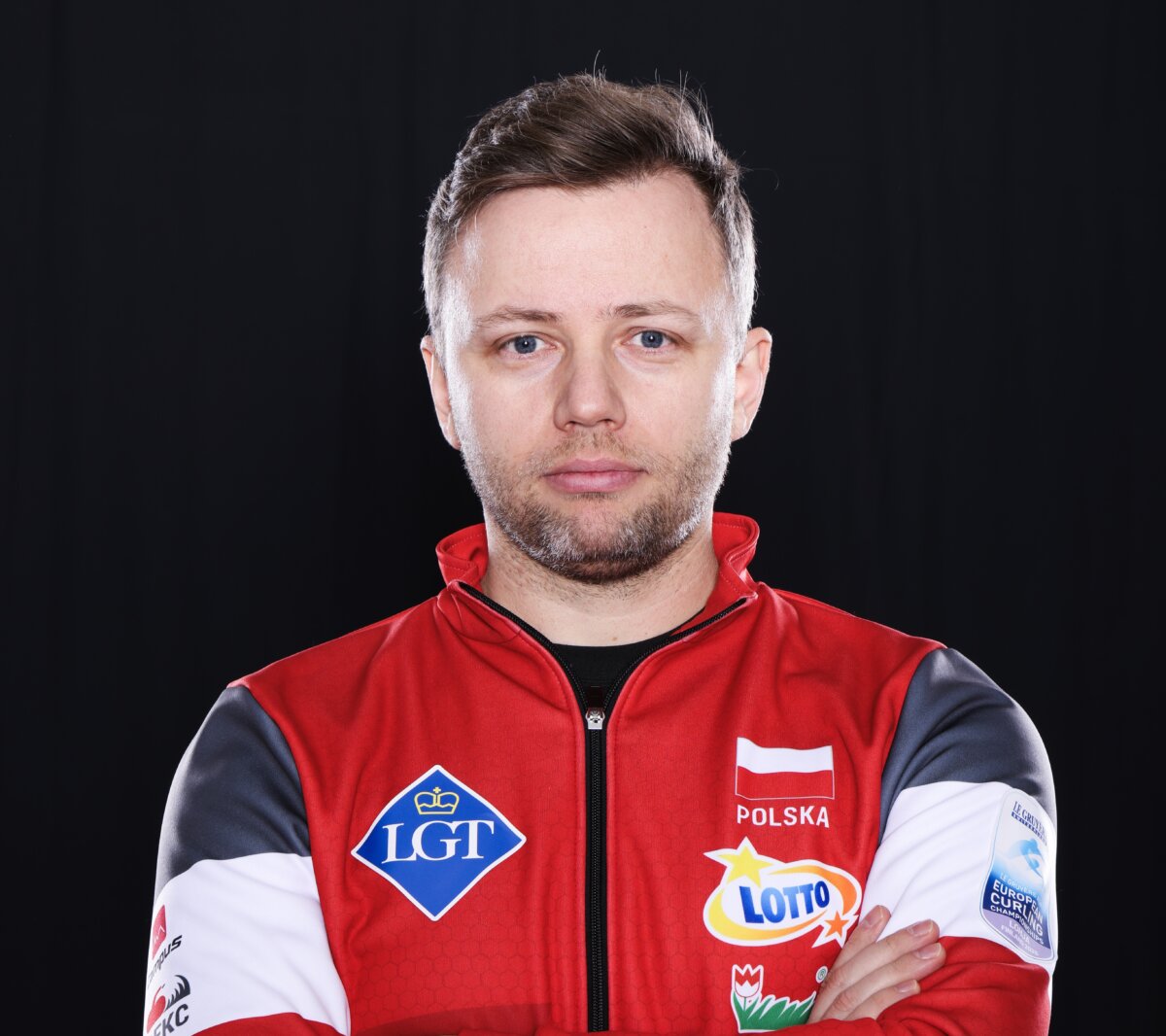
After successfully guiding the Paulová duo through Olympic qualification, Jakub Bareš has continued his coaching career abroad. Following three years with the Polish national program, he has now taken on two new roles simultaneously: in Hungary, he works with the mixed doubles team Palancsa/Tatár, while also beginning a collaboration with the Estonian Curling Association. How has Polish curling changed in recent years, what lies behind its rapid development, and what goals has Jakub set for himself in Estonia?
Three Years in Poland and a Historic Achievement
Jakub, after your successful Olympic journey with the Paulová duo, you moved to Poland. How did the collaboration work there, and what was behind your success?
Since 2024, I have been working with the Polish men’s national team. In 2025, my responsibilities expanded to include mixed doubles, junior mixed doubles, the education of new coaches, and co-organizing the annual Mazury training camp held in August. It was an incredibly enriching experience for me.
Our success was built primarily on extraordinary commitment and the gradual creation of a functional system. Over three years, we achieved something remarkable with the men’s team. We progressed from the C Division of the European Curling Championships all the way to the elite A Division, qualified for the Olympic Qualification Event, and, for the first time in history, helped Poland reach the World Men’s Curling Championship. We also managed to secure Poland’s place there for 2027.
Polish Curling Is Changing Rapidly
If you were to compare Czech and Polish curling, where does Poland stand today?
Polish curling has undergone a tremendous transformation during that time. The community is incredibly enthusiastic. Curling is currently played in approximately ten locations across the country, with around 400 active players.
The main training hub is the dedicated curling arena in Łódź. However, of our five-player men’s team, only two athletes live and train there regularly. The others have had to travel three to four hours from cities such as Gdańsk and Świdnica to attend training sessions.
Training also takes place under improvised conditions. There is a single-sheet facility in Pawłowice, which serves as the country’s main junior curling center. Notably, the Polish junior women’s team has also advanced to the elite division of the World Junior Curling Championships. Another one and a half sheets are located in a garage facility in Kraków, while a 0.75-sheet facility operates in Świdnica.
For many years, Polish curling suffered from a severe lack of funding, and national team players had to cover most expenses from their own pockets. A major breakthrough came this spring when the Polish Curling Federation was officially recognized by the Ministry of Sport, making it eligible for government funding.
A great indicator of the sport’s growth is the Mazury camp, which I help organize. This year alone, it attracted 141 players from eight different countries.
A New Challenge: Hungary and Estonia
Where are you heading now? There have been rumors about Estonia. Is that at the club or national level? And what goals have you set for yourself?
At the moment, I am combining two international coaching roles. In mixed doubles, I have moved to Hungary, where I work with the Palancsa/Tatár team, aiming for success at the 2027 World Mixed Doubles Curling Championship.
At the same time, I have begun working with the Estonian Curling Association at the national-team level. My primary task is to prepare a new women’s team for the European Curling Championships in Ostrava and the World Qualification Event in Sweden this November.
The main objective with the women’s national team is to develop a young squad, composed largely of former junior players, into a competitive senior team and, step by step, guide them toward Olympic qualification. In the coming years, a similar strategy will likely be implemented for Estonia’s mixed doubles and wheelchair curling programs as well.