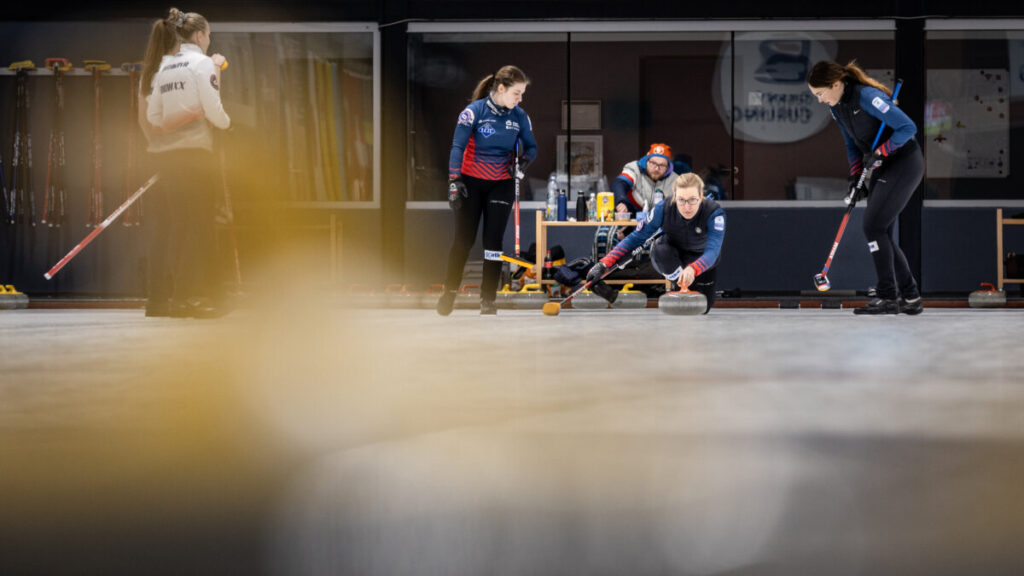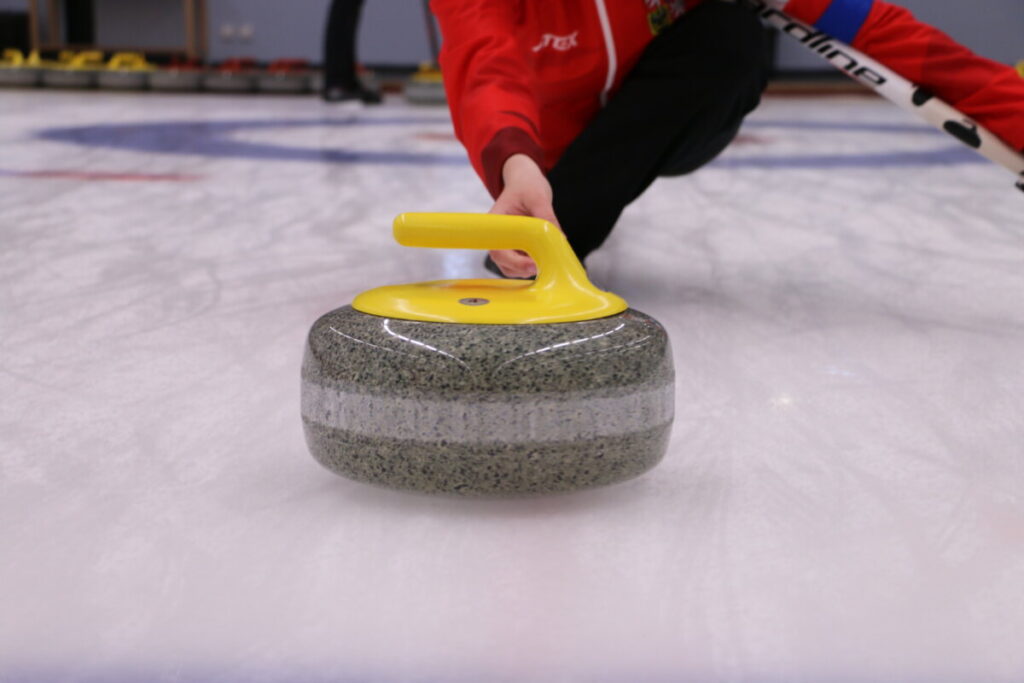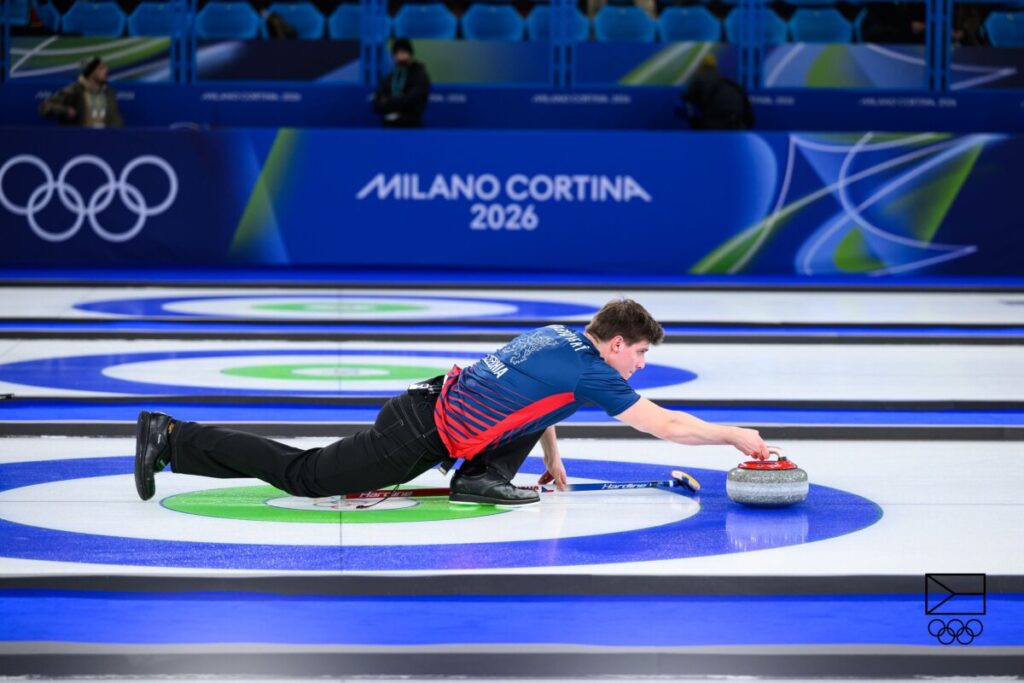

She has thirteen national women’s titles to her name, along with additional titles in mixed doubles and juniors. Anna Kubešková called her thirteenth title her last one, but she doesn’t want to leave curling behind. Why did she decide to retire from competitive sport, and what is she planning now?
How did you start with curling? At what age, why, and where?
Even as a little girl, I watched my dad play and I absolutely loved it. I really wanted to start, so I convinced my friends, and we began back then in the only available rink — at the Hasa ice skating arena. We were about seven years old.
What kept you in curling all those years? Were you ever tempted to try another sport?
I loved the strategy and the tension during the game, the elegance of the slide. Back then it wasn’t about sweeping performance or fitness the way it is today. It was great simply doing it with my best friends. I tried a few other sports, but curling was always the one I enjoyed the most.
In your farewell post, you mentioned that you feel it’s the right time to leave. Why now? What was the main impulse to say that the “lucky thirteen” national titles are enough for you as a player?
The only disadvantage of a small sport like curling is that you can’t make a living from it (there are new exceptions now with the men’s team, but only after they fought their way to the Olympics). Abroad you can, though, and that pushes you to train basically every day and travel to international tournaments at least twice a month. When you add family and work to that, it becomes a carousel you can’t stay in for very long. When we were studying, we managed it, even though sometimes it was exhausting; now it’s harder. And I don’t like doing things halfway.
Did you fulfill all your dreams and expectations in curling? Which of your achievements do you consider the biggest?
I really wanted to make it to the Olympics. I went through several Olympic qualification events, but unfortunately it didn’t work out, and I’m still very sorry about that. But I’m still proud of the sixth place and the playoff at the World Championship in Canada, and the fourth place at the European Championship. And of course all the national titles. As my coach says — winning a tournament or a championship is always demanding; that final step toward the gold medal is the hardest one.
You hinted that you might continue pursuing your Olympic dream as a coach. Are you planning to move straight to the coaching bench now?
I’ve been coaching the men’s top‑league team Dion Young Boys (Vedral) for two years now — the guys are great. I’m planning to complete another level of coaching education, and I might work with other teams as well. I’m really looking forward to it; I enjoy coaching, and I believe my experience can be valuable.
What’s next for you? Are you planning to step away from curling completely for a while, or are you only drawing a line under elite competition?
For now it’s just about playing, but I don’t know how long I’ll last without it 🙂 I still enjoy curling, I just feel that at the moment I can’t work as hard as would be necessary to compete internationally.
What will you miss most from the life of a top athlete?
I’ll miss the travelling and the team atmosphere. When you create your own “language” within the team, your jokes, your culture. Sometimes you’re tough on each other, sometimes you disagree, but most of the time you motivate and inspire each other, you share lots of experiences and have a great time on the road — and that huge joy when the hard work pays off.